Specification · 8 min read
Sustainable Signage Materials for Events, Retail, and Wayfinding: A B2B Buyer's Comparison
Four material families, one comparison table in prose: what each is good at, and where buyers usually pick the wrong one.
October 2, 2026
Three signage jobs, three completely different sets of requirements, one buyer who has to get all three right. This is the comparison, laid out by use.
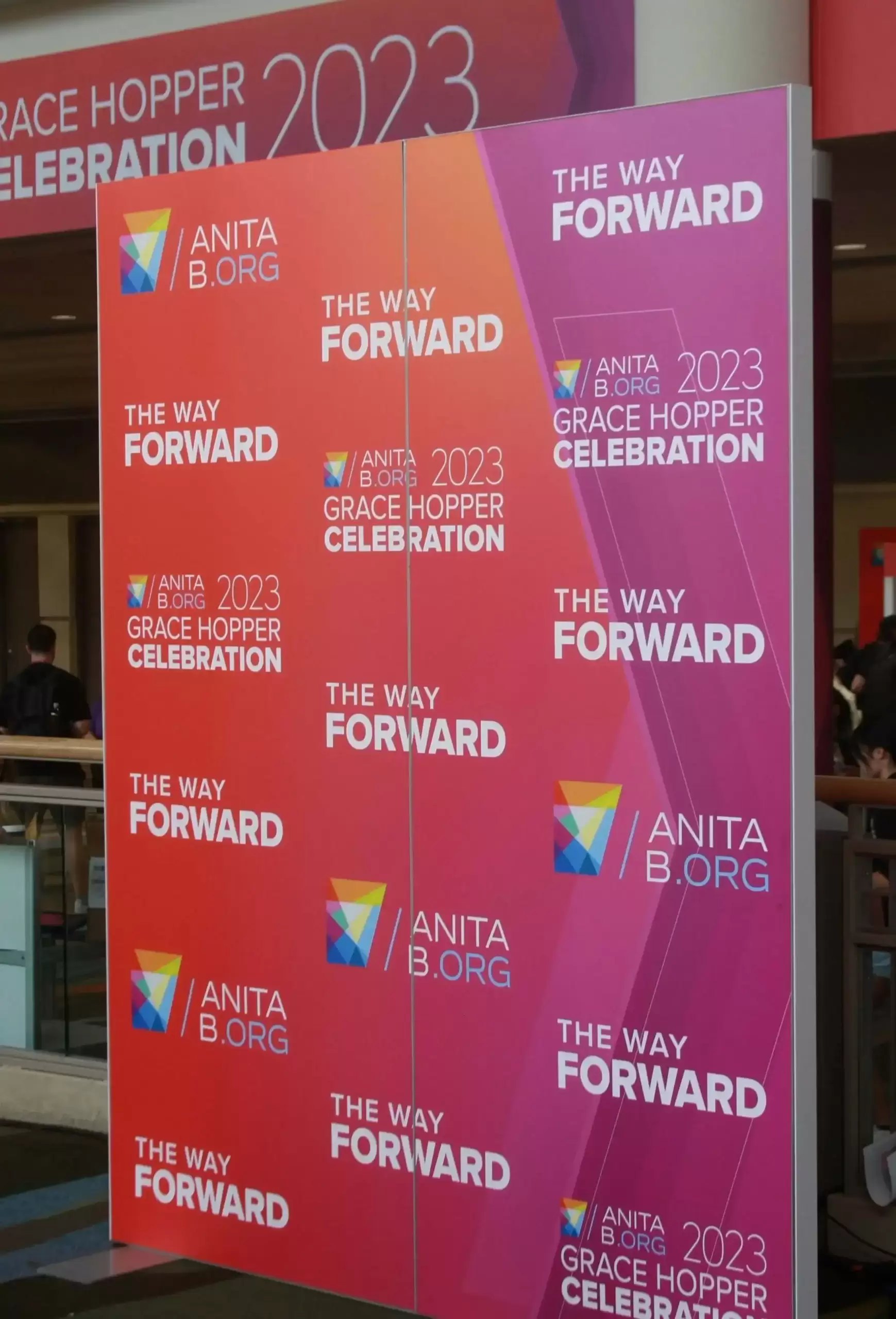
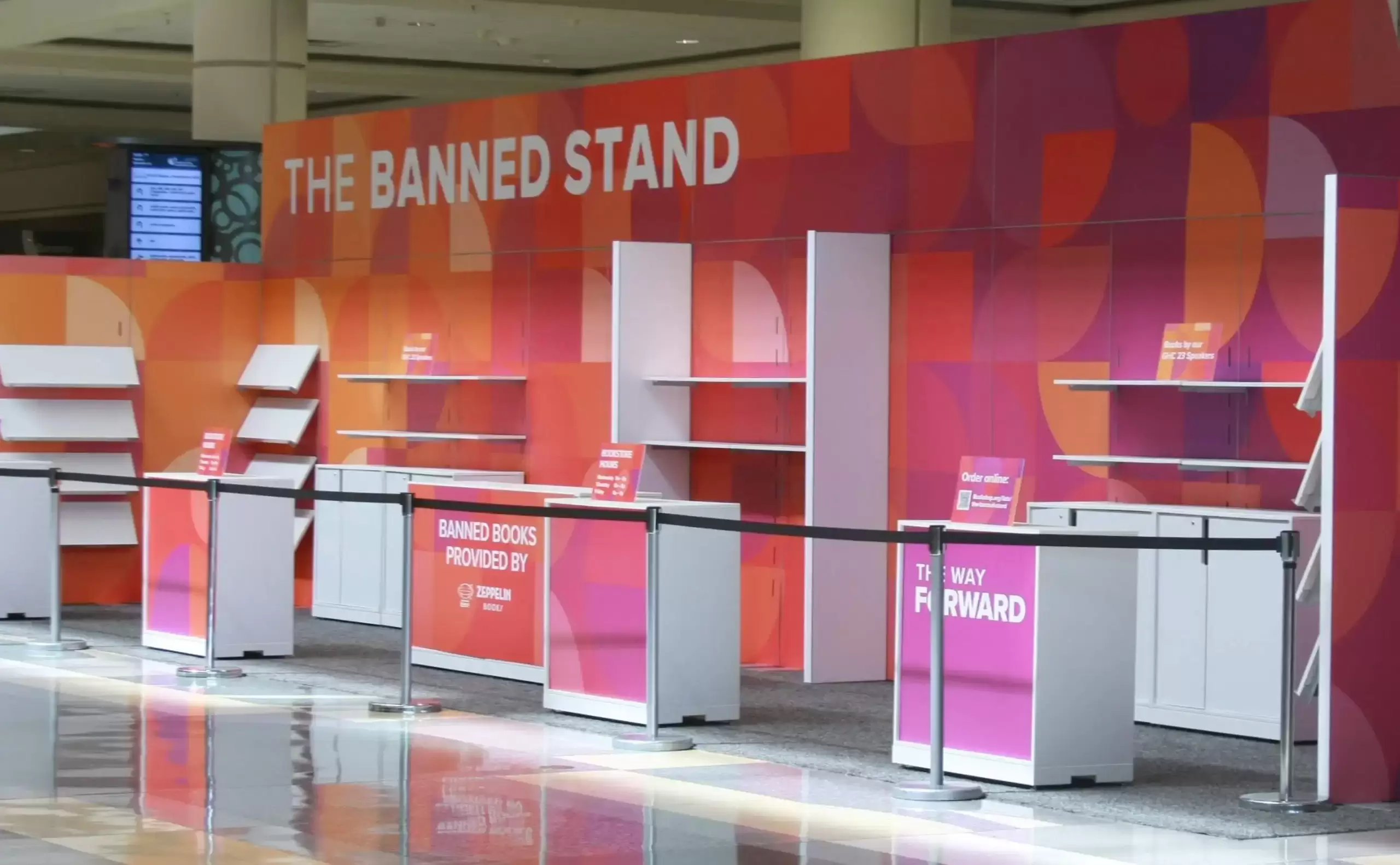
Events: short life, high visibility, travel
An event graphic is built once, used for days, and often shipped. What matters:
- Pack-down and transport. Fabric folds and travels; rigid board does not.
- Speed of build and strike. Frame systems with tensioned fabric go up fast.
- What happens afterwards. This is the deciding factor for most sustainability policies, because the disposal happens within the same quarter as the purchase.
Typical fit: PVC-free fabric for signage on the large flat expanses, PVC-free display board for headers, plinths and anything self-supporting.
Retail: repeat cycles, brand-critical colour
Retail graphics change with campaigns, in many locations at once. What matters:
- Colour consistency across a rollout printed in batches.
- Clean removal, because the same window and wall get used again in eight weeks.
- Volume disposal — fifty stores changing at once is a waste stream, not a bin.
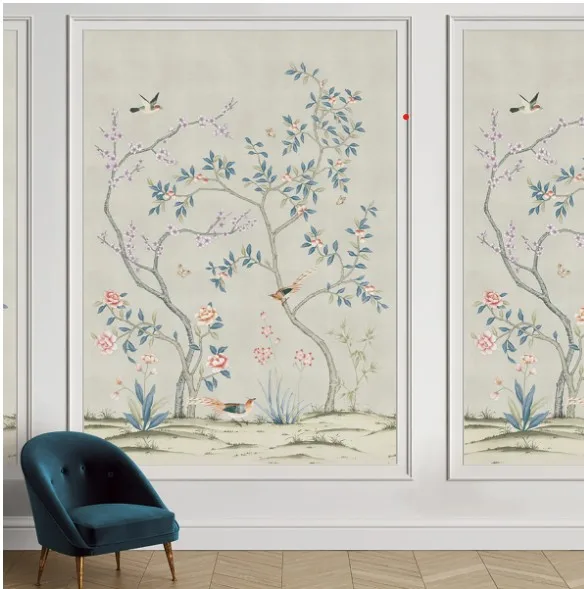
Typical fit: peel-and-stick wallcovering or poster media on walls and windows, display board for shelf and freestanding units, backlit fabric in lightboxes.
Wayfinding: long life, legibility, cleaning
Directional signage material has the opposite profile to an event graphic. It stays for years and it gets touched. What matters:
- Durability in contact areas — corridors, lift lobbies, stairwells.
- Cleanability with whatever the facilities team actually uses.
- Legibility first: crisp type, controlled surface reflectance, no glare that defeats the sign at eye height.
- Repairability — being able to replace one panel when a floor is renamed, without redoing the scheme.
Typical fit: rigid PVC-free display board for panels, wallcovering for zone graphics and supergraphics.
The comparison in short
| Job | Life | Chief risk | Usual material | | --- | --- | --- | --- | | Events | Days | Transport damage, disposal volume | PVC-free fabric, display board | | Retail | Weeks to months | Colour drift, removal damage | Peel-and-stick, poster media, board, backlit fabric | | Wayfinding | Years | Wear, cleaning, glare | Rigid PVC-free display board, wallcovering |
The one question that applies to all three
Is the material PVC-free through the whole construction, or only on the surface? Ask the manufacturer of the media, not the printer who bought it — and ask before the artwork is approved, because that is when a substrate change is still free.
We manufacture PVC-free wallcovering, poster media, fabric and display board. We do not print or install, so the sheet we recommend is the one that suits the job.
To compare properly: request samples across the ranges, or book a virtual demo and we will go job by job.